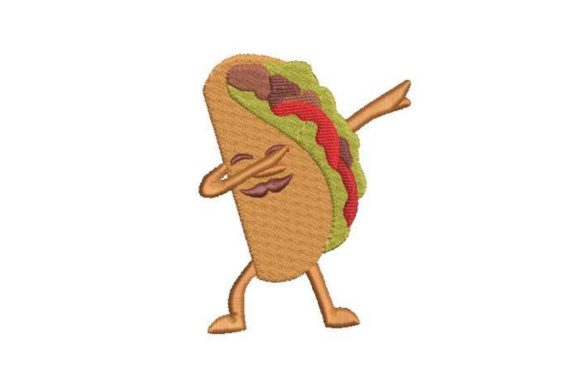
A Designer's Honest Review of the Dabbing Taco Embroidery Design
When I first saw the Dabbing Taco design, my immediate reaction was a smile. It's a design with personality, a playful character that feels current and lighthearted. This isn't just a static food icon; it's a taco with attitude. That initial impression is crucial because it tells me exactly what kind of projects this design is destined for: fun, casual, and gift-oriented items where a little humor is the main selling point.
Where This Dancing Taco Finds Its Natural Home
I envision this design shining on personalized gifts and casual merchandise. Think about a custom tote bag for a friend who loves both tacos and internet culture, or a bright sweatshirt for a relaxed, fun-loving client. It would be perfect on a kitchen towel or apron in a home cook's kitchen, adding a wink of humor to a practical item. For small businesses, especially those with a quirky brand voice, this could be a great addition to a line of lighthearted patches or baby items for a nursery theme that's more playful than traditional. The mood is celebratory and silly, so it naturally fits holiday gifts where you want to inject some joy, or boutique products aimed at a younger, trend-aware audience.
Performance in Real-World Projects: My Practical Forecast
In practical embroidery situations, the success of this machine embroidery design will hinge on its execution. On a sturdy cotton tote bag or a sweatshirt, with the right stabilizer, I expect it to look vibrant and clean. The dancing pose, with its implied movement, should translate well into stitches, creating a dynamic focal point. For baby clothes or softer blankets, I'd be mindful of the stitch density—you'd want to ensure it's not too stiff for a comfortable fabric. As an embroidered patch, it would be instantly recognizable and easy to apply, a quick win for craft fair products.
When considering Etsy listings or digital product previews, this design's visual appeal is strong. It tells a story instantly, which boosts buyer engagement. For commercial embroidery projects, like a series of caps for a food truck or cafe with a fun brand, it could work very well, adding a consistent, branded touch of humor. However, its value comes from its character, not intricate detail, so it might not suit projects where subtlety or elegance is the goal.
The Careful Considerations: Where to Proceed with Caution
Any design has its ideal applications, and some where you need to tread carefully. The Dabbing Taco, with its presumably bold outlines and filled areas, might pose challenges on very small hoop sizes. The details, like the taco's shell and the dabbing arm, need space to be clear. I'd avoid very textured or overly stretchy fabrics without extensive testing, as the shape could distort. On dark fabric backgrounds, thread color contrast becomes paramount—you’d need to choose bright, contrasting colors to keep the design popping.
Embroidering on curved surfaces like caps requires careful positioning to keep the design centered and looking intentional. Also, for products destined for frequent washing, like kitchen linens, you'd want to test its durability with quality threads and secure stitches. The design's charm is in its clean, cheerful presentation, so anything that risks muddying that clarity—like on a very thin fabric where stabilizer shows through—should be approached with a test run first.
How This Design Influences Perception and Trust
From a business perspective, using a design like this effectively can enhance your brand's relatability. It shows you understand a playful niche. For a crafter or Etsy seller, a well-embroidered Dabbing Taco on a finished product communicates fun and skill, increasing the giftability and perceived value of a handmade item. It feels personal and contemporary. For apparel decorators, it taps into a recognizable meme culture, which can drive recognition and sales if your audience aligns. However, it requires a confident, cohesive application. Slapping it onto a product that doesn't match its vibe can feel disjointed and harm professionalism. It's a design that demands you commit to its mood.
Embroidery Designer Notes: My Pre-Project Checklist
Before I'd ever load this embroidery file for a real client project or a product for my small shop, here’s my personal checklist.
- Test on Scrap Fabric: Always. Use the same fabric and stabilizer combo as your final project to see exactly how stitch density and details behave.
- Check Thread Contrast: Run mental or digital mockups of the design on both light and dark backgrounds. Plan your thread palette accordingly.
- Confirm Hoop Size Compatibility: While the product description mentions multiple embroidery file formats, the exact minimum hoop size isn't specified. I would verify this with the file provider to ensure it fits my intended project base, like a small baby bib or a large pillow cover.
- Inspect Small Details: Look closely at the design preview. Are there tiny elements, like seed details on the taco, that might get lost or become overly dense? This affects clarity.
- Review for Commercial Use: If I plan to sell finished products or include this in my digital product shop, I must confirm the licensing terms. The description doesn't outline this, so checking that is an absolute must before any commercial step.
- Stabilizer Strategy: Match the stabilizer to the fabric. A sturdy tear-away for a bag, a soft cut-away for a jersey knit. This ensures the handmade product looks crisp and lasts.
Ultimately, the Dabbing Taco is a straightforward, mood-driven design. Its success isn't about technical complexity; it's about placing it in the right context. It’s a digital embroidery file that, when applied thoughtfully, can create a finished product that makes people smile—and that’s a powerful asset for any creative entrepreneur or hobbyist looking to add a dose of fun to their work.