A Professional Review of Blue Arabesque Border
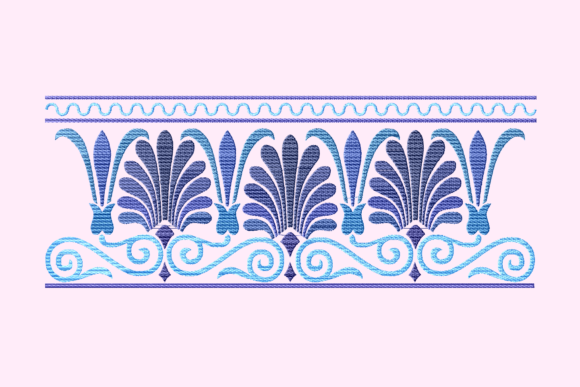
As an embroidery designer preparing for a busy craft fair weekend, my first task is to evaluate my design library. Which files will translate into standout booth products? Today, I’m looking closely at the Blue Arabesque Border. The name alone suggests something decorative and flowing, and the description confirms its intent: a superb digital embroidery design meant for curtains, bedsheets, home decor, or clothing, with a specific note to stitch it on contrasting-colored fabrics for the full effect. This immediately sets the stage for a practical review.
First Impression: Elegant and Decorative, Not Minimal
The Blue Arabesque Border feels inherently elegant and decorative. The “arabesque” implies a flowing, intricate pattern, likely with curves and repeats. This isn’t a cute, funny, or rustic design. It leans toward a premium, decorative aesthetic—think of elevating everyday items with a touch of artistic detail. For a craft fair booth, this mood is key. It attracts customers looking for something special to beautify their home or wardrobe, not just a simple graphic.
Where Blue Arabesque Border Stands Out on Products
My booth will feature tangible samples: tote bags, aprons, tea towels, patches, caps, pouches, pillow covers, and giftable items. Here’s where I believe this border design will truly shine.
Tote bags and market bags are a prime canvas. A Blue Arabesque Border running along the top edge or bottom hem of a bag creates instant visual interest. It turns a plain canvas tote into a handmade product with clear value addition. The contrasting-color advice is crucial here; stitching this on a natural canvas bag with a bold blue thread will make it pop from across the booth.
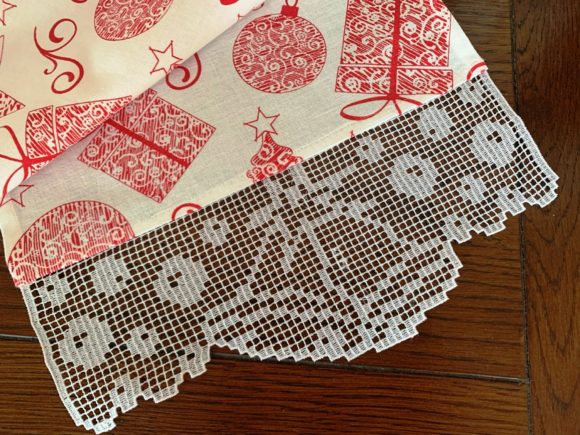
Aprons and tea towel embroidery are another strong fit. A border along the hem of a kitchen apron or the bottom edge of a linen tea towel feels traditional yet sophisticated. It enhances the item’s function with beauty. On a towel, the denser weave can handle the stitch density well, and the design becomes a focal point when displayed hanging on a rack.
Pillow covers are a natural home decor application. A border framing the edges of a pillow cover can elevate a simple cushion into a coordinated bedroom or living room accent. This is a higher-value item that can command a better price at the fair.
Small pouches and caps require careful consideration. For a curved cap surface, the border would need to be adapted to the curve, and small details might get lost. On a flat pouch, a smaller version of the border along the zipper line could work as a lovely accent, but I’d need to test the clarity at a reduced size.
Embroidered patches are a possibility, but only if the design’s intricacies remain clear when isolated as a patch. Borders can sometimes be reconfigured into a circular or square patch motif, but this depends entirely on the specific layout of the embroidery file.
Visual Appeal and Customer Attention
A well-executed Blue Arabesque Border on a contrasting fabric is inherently eye-catching. The movement and rhythm of a border pattern draw the eye along the product. In a booth display, a series of items—a tote, a towel, a pillow—all featuring the same elegant border creates a cohesive, strong visual story. This consistency boosts brand perception and suggests quality. Customers notice repetition and theme, which can lead to buying multiple coordinated items.
Batch Production and Photographing
For an Etsy seller or small shop owner doing batch production, borders can be efficient. Once the hoop placement and stabilizer are set for a specific product (like towel edges), producing multiples is straightforward. The design should photograph beautifully for online listings, especially against a stark contrast background. The intricate detail will show the handmade quality of the machine embroidery.
Understanding at a Glance
This design is easy to understand at a glance: it’s a decorative border. Customers immediately grasp its application. This reduces the need for explanation at the busy fair booth. They can visualize it on their own curtains or bedsheets, as the description suggests.
Careful-Use Notes for the Embroidery Designer
Before committing any design to production, especially for commercial embroidery and sale, a hands-on test is non-negotiable. Here are my specific notes for the Blue Arabesque Border.
- Test on Scrap Fabric First: Always stitch the design on the exact fabric you plan to use—linen, canvas, cotton. Check for puckering, thread tension, and overall effect.
- Check Thread Contrast: The description emphasizes contrast. Test several blue threads on various fabric colors (white, cream, grey, even dark fabrics) to see which combination delivers the “full-on effect.” On dark fabric, you may need a very bright or light blue.
- Review Spacing and Hoop Size: Determine the design’s length and required hoop size. Can it fit in a common hoop for your target products? For a long border on a tote bag, you might need to stitch it in sections.
- Inspect Stitch Density: Arabesque patterns can have dense, intricate areas. High density on lightweight fabrics or textured towels may require a sturdy stabilizer to prevent distortion.
- Create a Real Mockup: Don’t rely on a printable mockup alone. Produce at least one finished product sample—a tea towel or a pouch—to see it in person, feel the texture, and judge its real-world appeal.
- Confirm Licensing: As a digital embroidery file, ensure your license permits use for craft fair products and commercial sale of the finished items. Never assume.
Final Judgment for the Craft Fair Booth
The Blue Arabesque Border has strong potential for my handmade market table. Its decorative, elegant mood fits a premium product line. It will stand out best on items with clear linear edges: tote bag designs, apron hems, tea towel embroidery, and pillow covers. These products allow the border to be displayed fully and appreciated for its flowing pattern.
Success hinges on following the core advice: using high-contrast thread and fabric. This simple choice maximizes visual impact, drives customer attention, and increases the perceived value of the finished product. For batch production, it seems practical, but I must verify the stitch density and hoop requirements through a physical test.
My booth strategy will be to group several Blue Arabesque Border items together, creating a mini-collection that tells a story of elegant, handmade home and lifestyle accents. This focused display, supported by a real, beautifully embroidered sample, will engage buyers and give this lovely border design its best chance to sell.