Castle Embroidery Design: A Craft Fair Seller's Honest Review
As an embroidery designer preparing for a weekend craft fair, I’m constantly looking at new designs not just for their artistic appeal, but for their practical selling power. When a design like Castle lands in my digital library, my first thought is: "Will this earn a spot on my tote bags and aprons, or will it just collect digital dust?" Let’s walk through a real-world review of this magical-themed embroidery design, from my studio to the craft fair table.
First Impression: Decorative & Storybook Elegance
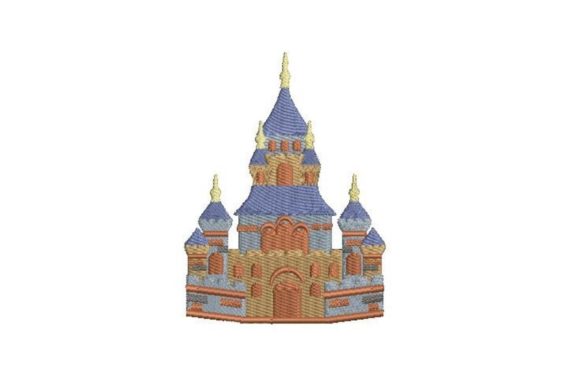
The title Castle immediately sets a mood. This isn’t a rustic farmhouse sketch or a minimalist geometric shape. It leans into a decorative, storybook elegance—a feel that’s both classic and whimsical. For my booth, this means it likely appeals to customers looking for a touch of fairy tale charm, not just a generic pattern. That’s a valuable niche. In a sea of florals and puns, a well-executed castle design can stand out by offering a sense of narrative and fantasy. It feels premium because it suggests a scene, not just an object.
Where Castle Shines on Products: The Display Table Test
I mentally run through my typical craft fair product lineup. Which items would give Castle the best chance to catch a customer's eye and justify the production time?
- Tote Bags & Market Bags: A larger bag provides the canvas this design needs. A castle scene can become a beautiful focal point, elevating a simple canvas tote into a specialty item. It feels giftable.
- Pillow Covers: This is a prime application. A decorative castle embroidered on a linen or cotton pillow cover fits perfectly into the "fairy tales" category and creates a cozy, storybook bedroom aesthetic.
- Tea Towels & Aprons: Kitchen textiles can work, but the design needs to feel intentional. A castle on a towel might be more thematic for a "royal tea" or decorative kitchen, rather than a everyday utilitarian item. On an apron, it becomes a statement piece for someone who loves that theme.
- Embroidered Patches: This is a fantastic, lower-risk product. A Castle patch can be applied to jackets, backpacks, or hats. It’s lower cost for the customer and allows them to add the magic to their own items. Production is straightforward.
- Fabric Pouches & Giftable Items: Small pouches with this design become charming gifts. The key is size—the design must be scaled to fit the smaller area without losing detail.
- Caps: Curved surfaces are tricky. The design would need to be tested on a cap file specifically. If it fits the curvature well, it could be a unique product for fantasy or medieval festival attendees.
The standout products, for me, are the tote bags and pillow covers. They provide the space for the design to breathe and become a premium handmade product. A patch is the safest and quickest to batch produce for immediate booth stock.
Selling at the Booth: Visual Appeal & Customer Attention
At the fair, products compete for glances. Castle has an advantage if it’s detailed and well-stitched: it tells a tiny story. Customers browsing for gifts often latch onto designs with a clear theme. A parent might see it on a pillow and think of a child’s bedroom. Someone might see it on a tote as a perfect gift for a friend who loves fantasy novels. This inherent "theme" drives engagement. It also boosts perceived value. A complex, attractive scene looks like more skilled work than a simple monogram, which can justify a slightly higher price point and enhance the sense of handmade quality.
For brand consistency, if your shop leans into magical, historical, or decorative themes, this design fits seamlessly. It strengthens your booth’s narrative. If your brand is more modern minimalism, it might feel out of place.
The Practical Designer’s Checklist: Production & Pitfalls
Before I stitch this on anything for sale, I follow a strict process. The product description notes it comes in multiple embroidery file formats, which is crucial for using it with different machines. But the designer’s job starts well before the hoop is loaded.
- Test on Scrap Fabric: Always. I stitch Castle on a scrap of the actual fabric I plan to use—be it canvas, linen, or towel material. This reveals how the texture interacts with the stitches.
- Check Thread Contrast & Colors: A castle might have many sections. I need to see if the chosen thread colors have enough contrast on my fabric, especially on dark fabric. A design with low contrast becomes a muddy blob from a distance.
- Review Stitch Density & Small Details: This is critical. Fairy tale designs can have tiny towers, windows, or flags. I inspect the stitched sample closely for stitch density in small areas. Too dense on thin fabric can cause puckering; too sparse can look unfinished. Tiny details might vanish if the design is scaled down too much for a small pouch.
- Confirm Effective Hoop Size: The description doesn’t specify a required hoop size. I determine the minimum hoop size needed by testing. For a design meant to be a focal point, I likely need a larger hoop (like 5x7 or 6x10) to preserve detail.
- Use the Right Stabilizer: For bags and towels, a sturdy cutaway stabilizer is often needed to handle the fabric texture and prevent distortion.
- Create a Real Mockup: I make at least one finished product—a real pillow cover or tote—not just a digital printable mockup. This is my booth sample. It shows customers the true quality and helps me photograph it for my Etsy listings or other online shops.
- Compare Fabric Colors: I try the design on a few different background colors. A light castle on a dark navy bag can look striking; a traditional scheme on cream linen looks classic.
- Confirm Commercial Licensing: The description states it’s a machine embroidery design for projects. As a seller, I must double-check the license of this specific digital embroidery file to ensure I am cleared for commercial embroidery and selling the finished products. I never assume.
Careful-Use Notes for Castle
Based on typical designs of this theme, here are potential watch-outs:
- Small Accent vs. Large Focal: Evaluate if Castle works as a small accent. On a cap or tiny pouch, scaling it down might lose the charming details that make it special. It may be best reserved for larger, focal applications.
- Photography for Online Sales: It should photograph well if stitched cleanly. The thematic nature helps in Etsy listings—you can use keywords like "fairy tale embroidery," "castle gift," etc. A clear, close-up photo showing the stitch detail is essential.
- Batch Production Repeatability: Is it easy to stitch repeatedly? If the design is long or uses many color changes, it might slow down batch production for items like patches. I’d assess the stitch time to ensure my pricing accounts for it.
- Clarity at a Glance: At the craft fair, customers scan quickly. The final stitched product must be clear and recognizable from three feet away. If it’s too intricate and becomes visually busy, it might not grab that instant attention.
Final Judgment for the Craft Fair Booth
Castle earns its place in my inventory as a thematic, decorative design for specific products. Its selling power hinges on execution: clean stitching on appropriate products with excellent thread contrast. Its best chances are as a statement piece on a tote bag, a charming element on a pillow cover, or as a versatile embroidered patch. For the craft fair product lineup, it adds variety and taps into the beloved "fairy tales" category. It’s not an everyday, universal design, but that’s okay. In a handmade market, specialty items often attract the most dedicated buyers. My advice? Test it thoroughly, license it correctly, and present it on the product where its storybook elegance can truly shine. That’s how a digital file becomes a profitable, real-world small shop product.