Flame Embroidery Design: A Professional Review for Apparel Decorators
As a professional embroidery designer planning a new sweatshirt collection, I always look for digital files that offer both decorative strength and practical versatility. When browsing Creative Fabrica embroidery designs, the product titled Flame immediately stood out. While its description mentions uses from kitchens to safety campaigns, I saw potential for something entirely different: bold, contemporary apparel. This review shares my honest design judgment on how this machine embroidery design performs for boutique apparel and sweatshirt projects.
First Impression: Visual Personality for Garment Design
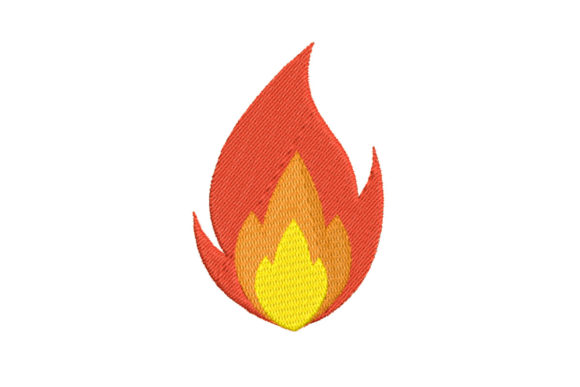
The Flame design has a distinct visual personality. It leans toward a bold and slightly playful aesthetic, with a level of detail that feels premium without being overly ornate. The stitching mood isn’t cute or overly feminine; instead, it carries a classic, graphic strength that can anchor a garment’s design. This makes it suitable for creating a focal point on apparel, from the chest of a hoodie to the back of a denim jacket. For small clothing brands, this kind of decorative strength is crucial—it turns a basic garment into a statement piece.
Practical Performance for Sweatshirt & Hoodie Collections
Imagine preparing a cozy, seasonal sweatshirt line. Here’s how I envision Flame performing on various garments:
- Neutral Sweatshirts: A white, grey, or oatmeal sweatshirt provides a clean canvas. Flame embroidered on the chest or sleeve would pop with high thread color contrast, creating a modern, minimalist look perfect for lifestyle product photos.
- Pastel Hoodies: On a soft pink, baby blue, or mint hoodie, the design takes on a different mood—more playful and trendy, ideal for brands targeting a lighter, youthful aesthetic.
- Dark Apparel: Black or navy garments require careful thread color choice. A bright orange or red thread for the flame against a dark background creates a striking, high-impact design that enhances buyer trust through a professional presentation.
- Oversized Garments & T-Shirts: The scale of the design works well on oversized sweatshirts for a balanced look, and on t-shirts it can serve as a central, chest-level accent without overwhelming the fabric.
- Denim Jackets & Tote Bags: For denim, the rustic texture pairs well with the graphic flame. On a tote bag, it becomes a durable, recognizable brand marker for boutique merchandise.
Where Flame Enhances Brand Identity & Commercial Value
Using a cohesive design like Flame across a product collection builds visual consistency. For an Etsy seller or a small shop, this consistency fosters product recognition. When customers see the same bold emblem on a sweatshirt, hoodie, and tote bag, it strengthens your brand identity. In commercial embroidery products, a well-executed, clean design like this directly affects apparel value—it signals quality and attention to detail, which boosts customer engagement and can lead to repeat purchases. For social media graphics and printable mockups, a strong, simple emblem like a flame is incredibly effective for creating clean, attractive Etsy listings and promotional content.
Considerations for Placement & Fabric
While Flame is versatile, a professional designer knows to use it carefully. Here are key considerations:
- Small Chest Placement: Ensure the design’s size is appropriate for a standard left-chest placement on polo shirts or tees without looking cramped.
- Stitch Density & Fabric Type: On stretchy fabric or fleece, a design with potentially dense stitch areas might require a robust stabilizer choice to prevent puckering.
- Dark Garments & Curved Surfaces: Embroidering on dark fabrics or curved areas like sleeves demands extra attention to hoop technique and stabilizer to maintain crisp edges.
- Tiny Lettering or Details: If the Flame design incorporates very fine details, test it first on similar garment fabric to ensure clarity, especially on textured materials like ribbed fabric.
Essential Designer Notes Before Production
Before committing this embroidery file to a production run, I follow a strict checklist. These notes are vital for any handmade product business.
- Test on Scrap Fabric: Always stitch the design on a scrap of the actual garment fabric you plan to use. This reveals how the stitch density interacts with the fabric texture.
- Check Stabilizer Choice: Fleece, sweatshirt material, and t-shirt knit all require different stabilizers. A misstep here can ruin the final product.
- Review Thread Color Contrast: Select thread colors that not only look good but also provide enough contrast against the garment color for the design to be legible and sharp.
- Confirm Hoop Size: Based on the design’s dimensions, verify the required hoop size with the product details on Creative Fabrica to ensure your machine can accommodate it.
- Inspect Stitch Density: Run the design and observe if any areas are overly dense, which could lead to fabric distortion or thread breaks on stretchy materials.
- Compare Placement Options: Hoop the garment in different positions (chest, back, sleeve) to visualize the final look and choose the most balanced placement.
- Check Product Details & Licensing: Crucially, always review the Creative Fabrica product details for the specific digital embroidery file formats included and the licensing terms to confirm it’s suitable for selling finished apparel. If details like stitch count or exact hoop size aren’t listed, I advise reaching out or confirming before production.
Final Thoughts for Creative Entrepreneurs
Flame, from the House category under Embroidery on Creative Fabrica, presents a solid opportunity for apparel decorators. Its bold, graphic nature lends itself perfectly to custom apparel projects aimed at creating a modern, recognizable brand aesthetic. Whether you’re designing a line of cozy seasonal outfits or a single statement sweatshirt for your online shop, this design can add significant value through its visual strength and versatility. The key, as always in professional embroidery, lies in the meticulous preparation—testing, stabilizing, and planning—to ensure that the final stitched product reflects the quality your boutique brand stands for.