Wanted Poster: A Cowboy Design That Earns Its Keep
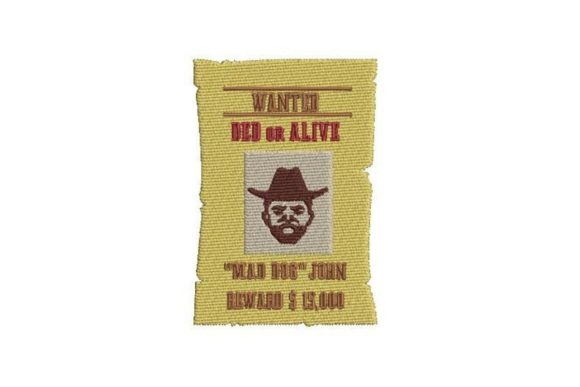
Every embroidery design I review starts with a simple question: does it have a real job to do? This isn’t about whether a file stitches out cleanly—that’s a baseline expectation. It’s about whether the visual idea, the character of the design, translates into a product people will want to hold, wear, or give. The Wanted Poster design, a vintage cowboy motif from the Around The World category, immediately answers that question with a confident yes. It’s a design with a strong, built-in narrative, which is exactly what we look for when creating products that feel special.
The Instant Mood of a Well-Crafted Story
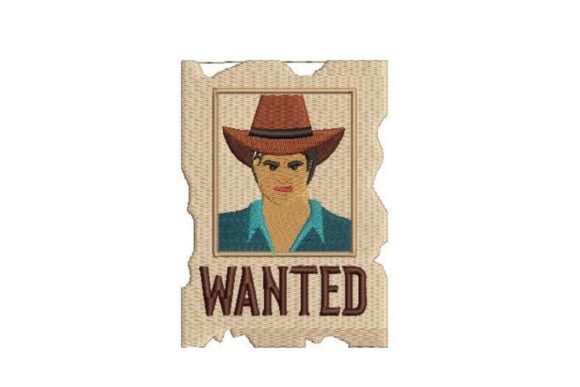
Your first impression of this embroidery design isn’t of individual stitches; it’s of an entire atmosphere. The classic “wanted” poster layout, centered on that stoic cowboy, evokes a sense of playful adventure, a touch of rugged history, and a whole lot of charm. This isn’t a generic shape; it’s a visual personality. That personality is its greatest asset. When you’re deciding on a design for a custom sweatshirt, a boutique tote bag, or a personalized baby blanket, you’re often searching for something that communicates more than just a pretty picture. This design communicates a story. For a crafter or small business owner, that story becomes the value proposition of the finished product.
A Design Built for Real Projects
Let’s walk through a typical scenario. Imagine you’re an Etsy seller preparing a line of embroidered apron gifts for Father’s Day. You need a design that feels masculine, has a bit of wit, and stitches up clearly on a heavier fabric like canvas. The Wanted Poster design fits that role perfectly. Its rectangular frame provides a natural boundary, making it look intentional and complete on an apron pocket or strap. The level of detail—from the weathered poster edges to the cowboy’s features—promises good stitch definition without becoming overly dense. This balance is crucial. Too dense, and it’s stiff on a kitchen towel; too sparse, and it loses that vintage authenticity on a pillow cover.
This balance makes it adaptable. I’ve seen similar designs excel on a range of items:
- Custom apparel like denim jackets or relaxed-fit sweatshirts, where the theme aligns perfectly with the garment’s vibe.
- Home goods like pillow covers or tea towels, adding a conversational touch to decor.
- Personalized gifts, such as a tote bag for a western history enthusiast or a framed patch for a nursery with a rustic theme.
- Small shop merchandise for boutiques selling Americana or rustic-craft styles.
Where This Cowboy Needs a Steady Hand
Even the best machine embroidery designs have their considerations, and thinking through them upfront saves time, thread, and client satisfaction. The Wanted Poster design, with its likely combination of satin stitch for lettering, fill stitch for the portrait, and running stitch for finer details, requires a practical approach.
Scale and surface are your first decisions. While the design feels substantial, its success depends on hoop size. Embroidering it too small on a cap or a baby item could compromise the clarity of the small lettering and facial details. Always test on scrap fabric at your intended size first. This is non-negotiable for any commercial embroidery project or craft business item you plan to sell.
Fabric choice directly impacts the story. Stitching this onto a dark fabric? You’ll need to plan thread color contrast carefully to maintain the light, weathered paper look of the poster. On a stretchy fabric like a t-shirt, robust stabilizer is key to prevent the dense areas from distorting. On textured fabrics like some blankets, the fill stitches might need a slight density adjustment to look solid. These aren’t drawbacks; they’re the normal, professional considerations of applying a detailed design to a physical product.
Practical Notes for the Working Designer
Before you load this embroidery file, make a quick checklist:
- Confirm the actual hoop size requirement from the design details. Don’t assume.
- Audit your thread colors. A vintage design often benefits from slightly muted, earthy tones rather than bright primaries.
- Think about the end product’s life. Will it be a kitchen towel needing frequent washing? Consider tighter stitch parameters for durability.
- Always, always stitch a sample. It reveals everything: registration of small details, the feel of the stitch density on your chosen fabric, and the final visual weight.
- For digital product sellers creating printable mockups or design assets, test the design in both light and dark background previews to show its versatility.
The Stitched Result: Building Trust and Engagement
When you move from the digital file to the finished product, the true value of a design like this emerges. On a handmade product, the clarity and charm of a well-executed Wanted Poster embroidery speak to craftsmanship. It tells a customer, “This was made with attention.” That builds trust, which is the foundation for any creative entrepreneur.
For giftability, it’s a winner. The design’s inherent theme makes it feel specially selected, not random. A custom embroidered tote bag with this motif becomes a “gift for the cowboy at heart,” not just “a bag with stitching.” That narrative boosts its perceived value and makes your marketing—whether for an Etsy listing or craft fair table—much easier.
Brand consistency matters for small businesses. If your shop’s vibe is rustic, nostalgic, or masculine, this design can become a reliable asset in your portfolio, creating a recognizable look across different products like aprons, patches, and apparel.
A Final, Friendly Reminder on Licensing
This is the most practical note I can give. As a designer reviewing this for real project use, I must stress: always check the specific licensing terms provided with the embroidery file. Understand clearly if it’s for personal use, commercial use, or both. This is critical before you sell any finished product or incorporate the design into commercial embroidery projects for clients. It protects your business and respects the digital product’s creation.
The Wanted Poster design is a tool. Its job is to help you turn ideas into magical works of art, as the description says. But the magic isn’t just in the digital file; it’s in your thoughtful application of it. Choose the right fabric, the right product, the right scale, and this cowboy won’t just be “wanted”—he’ll be proudly worn, used, and appreciated. That’s the real test for any embroidery design, and this one is ready to pass.