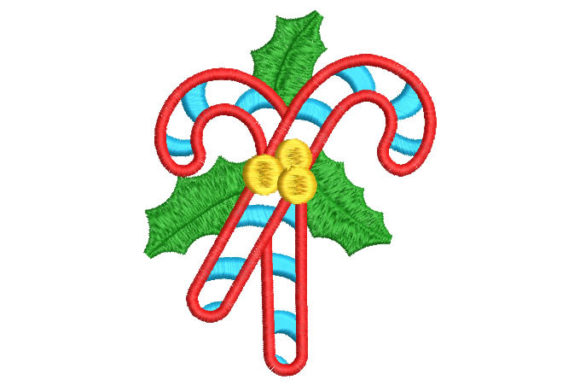
Candy Cane Christmas: A Designer’s Honest Review
The First Impression: Sweet, Classic, and Undeniably Festive
When you first open the Candy Cane Christmas embroidery design, the mood is immediate. It’s that warm, nostalgic holiday feeling, wrapped up in a clean and classic visual. The shape and layout feel traditional without being overly simplistic—there’s a personality here that is both cheerful and elegant. This isn’t a loud, cartoonish design; it’s the kind of motif that belongs on a cherished family heirloom or a boutique-quality gift. The detail level strikes me as balanced: enough visual interest to catch the eye, but not so dense that it becomes a stitching challenge on common fabrics. It naturally whispers “holiday apron,” “special pillow cover,” or “that perfect personalized sweatshirt” for a Christmas morning photo.
Where This Design Finds Its Perfect Home
In real-life embroidery work, Candy Cane Christmas has a wonderfully broad application. I’m thinking through a client project for a set of custom kitchen towels for a gourmet food shop—this design would be a charming, tasteful accent. For a small business owner selling handmade holiday merchandise, it would translate beautifully onto a high-quality tote bag or a cozy fleece blanket. The theme is instantly recognizable, which is key for craft fair products and Etsy listings; buyers see Christmas and quality. For apparel decorators, a well-executed version of this on the cuff of a sweatshirt or centered on a cap could become a seasonal staple. It also has that “giftability” factor—embroidered onto a simple tea towel or pillow cover, it feels like a thoughtful, handmade present rather than a generic store-bought item.
Performance on Actual Projects: A Practical Walkthrough
Let’s take a specific scenario: preparing a batch of embroidered tote bags for a small holiday pop-up shop. The Candy Cane Christmas design here is a strong contender. Its classic shape would allow for clear stitching on the bag’s canvas or cotton fabric. The visual appeal would be high, enhancing the perceived value of the bag. For customer trust and professional presentation, a clean, crisp embroidery of this design signals attention to detail. It supports brand consistency for a shop with a classic aesthetic. However, this is where practical judgment comes in. On a textured fabric like a burlap bag, the finer details might need a careful choice of stabilizer to maintain clarity. On dark fabric backgrounds, the thread color contrast becomes paramount—you’d likely want a bright, festive red and white palette to pop.
Caution Zones: Where to Proceed with Care
While the design description suggests it works with any fabric, a seasoned embroiderer knows that “any” always has caveats. For Candy Cane Christmas, I would be cautious on very stretchy fabrics without excellent stabilizer, as the shape could distort. On very thin fabrics, the stitch density—if the design uses substantial fill stitch areas—could potentially cause puckering. Small hoop sizes might limit where you can place the full design comfortably, especially if there are intricate corners. For products needing frequent washing, like baby clothes or aprons, ensuring the embroidery is secure and the thread colors are durable is key. And for curved surfaces like caps, the design’s layout would need to be tested in a mockup to ensure it fits the available flat space well.
Turning a Digital File into a Valued Finished Product
The leap from a digital embroidery file on your screen to a physical product that customers love hinges on these practical considerations. Candy Cane Christmas, when stitched well, boosts stitching clarity and handmade presentation. It feels intentional. For creative entrepreneurs and makers, this can directly affect buyer engagement—a clean, beautiful embroidery design makes your product photos for printable mockups and digital previews look professional. It becomes a reliable design asset for your holiday lineup. But the work happens before the hoop is placed.
Essential Designer Notes Before You Stitch
Always test on scrap fabric first. Use the same material you plan for the final project. This reveals how the design handles your specific fabric texture and whether the chosen stabilizer is sufficient. Check thread color contrast against your background—run a quick test in both light and dark fabrics if you plan to use it across products. Review the stitch density by looking at the design closely; are there very dense satin stitch or fill stitch areas that might need adjustment for thinner materials? Confirm the hoop size you intend to use can accommodate the design comfortably without forcing compression of smaller details. Inspect small details in the file; sometimes tiny elements can become lost or fuzzy if not stitched with precision.
It’s also wise to test the design in simple black and white mockups to see its form clearly, divorced from color. This helps in planning placement. Crucially, check whether the design’s licensing permits your intended use—be it personal gifts or commercial embroidery for your small shop merchandise. Never assume. These steps transform a beautiful machine embroidery design from a digital product into a successful, stress-free embroidery project.
The Final Verdict: A Festive Asset for Makers
Candy Cane Christmas earns its place as a versatile, mood-setting holiday design. It doesn’t try to do everything; it does a specific, classic thing very well. For the embroidery designer tackling client projects, the small business owner stocking holiday shelves, or the hobbyist creating personalized gifts, it offers a reliable path to a lovely finished product. Its strength is in its clear theme and adaptable nature, provided you apply the practical wisdom of testing and preparation. It’s a design that, when handled with care, results in embroidery that feels both festive and professionally crafted—exactly what you want for your Christmas embroidery work.