A Practical Review of the Tumbler Mock Up Embroidery Design
As someone who stitches designs daily for clients and for my own small shop, I approach every new embroidery file with a practical eye. My first question is always: Will this design translate well from the screen to a real, stitched product? Let’s walk through that process with the Tumbler Mock Up design, thinking about it not as a digital file, but as a future finished product.
The Immediate Feel: Where This Design Belongs
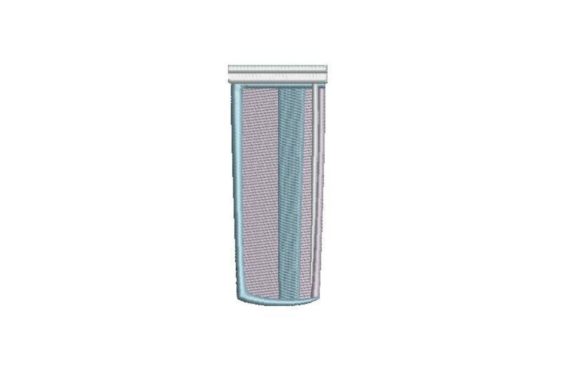
Looking at the Tumbler Mock Up, the mood is clear. It’s a straightforward, graphic representation—a clean outline that suggests a container. This isn’t a hyper-detailed illustration; it’s more of a badge or a logo. That visual personality makes it incredibly versatile. It naturally belongs on projects where a simple, recognizable icon is needed. I immediately pictured it on a reusable grocery tote bag for a boutique or as a neat, small accent on the sleeve of a sweatshirt. The layout feels balanced, and the detail level is modest, which means it won’t become a dense, heavy stitch area that could overwhelm lighter fabrics.
Stitching It Into Reality: Performance Across Projects
The product description mentions embroidering on any kind of fabric and stitching perfectly, which is a confident claim. In practice, a design like this has the potential to live up to that because of its likely construction. Designs built with clean lines and sensible stitch types—like satin stitches for outlines and fill stitches for larger areas—often perform reliably across different materials.
I’d test Tumbler Mock Up on a range of real-life embroidery situations. For custom apparel like t-shirts, the key would be using the right stabilizer to handle the fabric’s stretch. On a tote bag made of canvas, it would stitch out crisply and add great brand value for a small business. As a embroidered patch, it would be a standout, easy to apply. I also thought about baby clothes or nursery decor—a single, friendly tumbler motif on a blanket corner could be a lovely personalized gift. For holiday gifts like tea towels or apron pockets, this design offers a quick, charming customization.
Its usefulness extends beyond the needle and thread. For digital product sellers and creative entrepreneurs, a clean graphic like this is perfect for creating printable mockups to showcase your physical products online. It can serve as a consistent branding asset across a line of small shop merchandise.
Considerations for a Professional Finish
Even with a promising design, thoughtful execution is everything. There are places where you’d want to use Tumbler Mock Up carefully.
If the design has very small lettering or intricate decorative accents within the tumbler outline, you’d need to be mindful of stitch density on textured fabrics like fleece, where details can get lost. On dark fabric, thread color contrast is paramount—a light outline might need a bold thread choice to pop. Embroidering on curved surfaces like caps requires careful hooping and stabilization to keep the shape from distorting.
For products destined for frequent washing, like kitchen towels or baby items, checking the stitch integrity is crucial. A well-digitized design with secure running stitches and proper satin stitch widths will hold up, but it’s always wise to test first.
How This Design Adds Value to Your Work
Using a reliable design like Tumbler Mock Up affects more than just the stitchout. It impacts customer trust. A clean, professionally embroidered item signals quality. It boosts the handmade presentation, making a gift or Etsy listing look intentional and skilled. For a craft business, consistency in designs across your merchandise builds brand recognition. This design, being a clear graphic, can contribute to that professionalism easily.
Its giftability is high because it’s a universal symbol—easy to understand and appreciate. For buyer engagement, a well-placed, well-stitched motif on a product can be the subtle detail that makes someone choose your item over another.
Notes from the Embroidery Table
Before you commit this design to a client’s project or a batch of craft fair products, here are my practical steps:
- Always test the design on scrap fabric first. Use the same material and stabilizer you plan for the final product.
- Check thread color contrast by stitching a sample on both light and dark fabric backgrounds.
- Since multiple embroidery file formats are included, confirm which one is optimal for your machine and hoop size.
- Inspect small details in the stitched sample. Are corners sharp? Do any areas feel too dense?
- Consider its use for both personal and commercial projects. Confirm licensing before selling any finished items or using it in digital product previews.
The description says it can be used with multiple applications, which is encouraging. But as a reviewer, my final note is this: let the design prove its promise on your machine and with your materials. A good machine embroidery design should feel like a trusted tool in your workshop. Tumbler Mock Up, with its graphic simplicity, has the foundation to be exactly that. Your job is to match it with the right fabric, the right project, and the right care to turn that digital file into a truly enjoyable, and valuable, finished product.